
Introducing the newest addition to our fuel handling line: eSealVac® Electric Fuel Drain Bowser Learn More >
Client Name: Multiple operators, U.S. Air Force, Royal Australian Air Force, U.S. Coast Guard, and a major U.S. commercial carrier Industry: Military, Government, and Commercial Aviation / Heavy Maintenance (MRO)
Location: Fairchild AFB (USA); C-130 Base Richmond (Australia); Coast Guard Air Station Elizabeth City (USA); commercial MRO facilities (USA)
Project Scope: Replace open gravity-drain defueling, which exposes crews to jet fuel vapor and creates standing spill risk, with a contained extraction method that meets OSHA’s confined-space entry threshold (29 CFR 1910.146) faster and without added PPE burden.
Solution Provided: Spokane Stainless Technologies delivered the SealVac sealed vacuum extraction system, which seals against the aircraft’s drain point and pulls fuel directly into a self-contained, double-walled tank, keeping fuel off the apron and away from the crew for the entire drain.
Before heavy maintenance can begin, tanks must be empty of liquid and clear of vapor: flammable vapor must fall below ten percent of its lower explosive limit before a technician can enter. Gravity draining into open bowsers keeps fuel exposed the whole time, and crews on a routine drain aren’t always in full hazmat gear. Jet fuel vapor is a recognized occupational hazard with documented health effects, so the longer the drain stays open, the longer crews are exposed.
A ground spill becomes a hazardous waste event: pads, absorbents, disposal. Open air exposure lets fuel pick up water and debris, and a slow-venting tank stays unsafe to enter longer, holding up the bay. For the safety lead, EHS officer, and operations head accountable for that apron, it’s repeated worker exposure and standing spill risk on every routine drain.
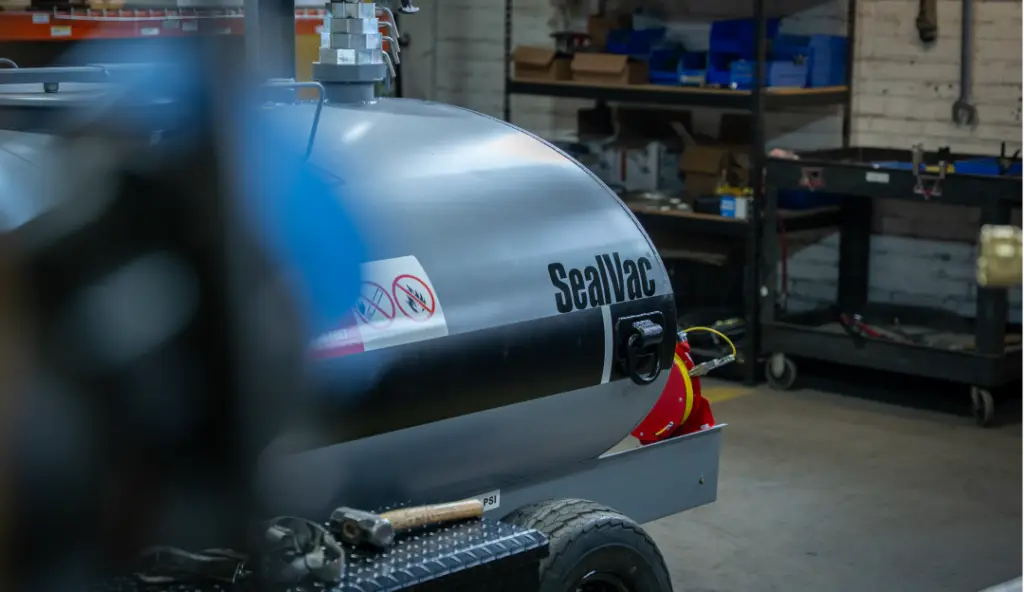
SealVac creates a vacuum at the aircraft’s sump, and the drain tooling seals against the wing, giving fuel one path: down the hose and into the tank, never onto the ground or the crew.
The containment lives in the hardware. The collection tank is double-walled and self-contained, hoses are carbon impregnated to bleed off static, and a vacuum governor protects the aircraft’s fuel cells. The same vacuum that lifts the fuel also clears vapor from baffles and dead spaces, so the tank reaches safe entry sooner, and on the SealVac Plus and eSealVac, filters make the recovered fuel clean enough to return to service.
Sealed extraction eliminates spill cleanup, lets crews work in standard PPE instead of full hazmat, and gets inspectors into a cleared tank sooner.
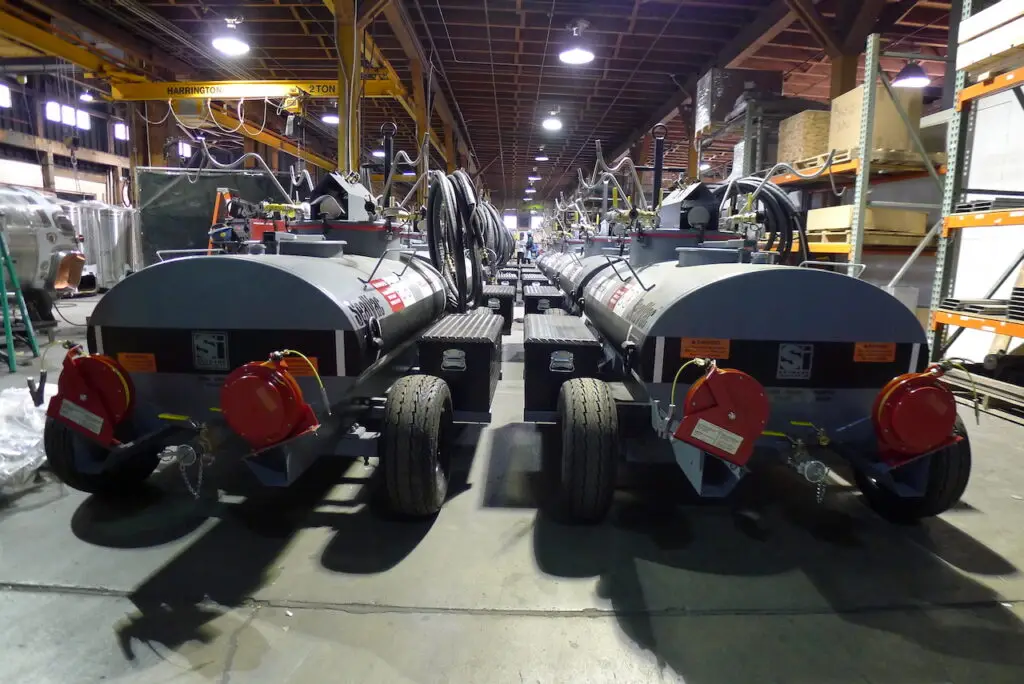
Key performance indicators highlighting project success:
SST’s SealVac is in active service with the military, the Coast Guard, and commercial maintenance operations. If your facility is evaluating alternatives to open gravity-drain defueling, SST’s engineering team understands the requirements of military and commercial MRO alike.