
Introducing the newest addition to our fuel handling line: eSealVac® Electric Fuel Drain Bowser Learn More >
Client Name: Airline-operated heavy maintenance facility (name withheld)
Industry: Commercial Aviation / Heavy Maintenance (MRO)
Location: Adjacent to a major East Coast airport, United States
Project Scope: Replace failing gravity drain bowsers and reduce the 8–12 hour defueling window that sits on the critical path of every heavy check, without disrupting the facility’s FAA-mandated maintenance program.
Solution Provided: Spokane Stainless Technologies delivered the SealVac Vacuum Fuel Drain Bowser, a negative-pressure fuel extraction system that forms sealed connections at each aircraft drain point and recovers fuel gravity cannot reach, completing a full-aircraft defuel in under three hours.
At this airline-operated heavy maintenance facility, defueling is mandatory before any heavy check can begin. That is not a policy choice: FAA-mandated Continuous Airworthiness Maintenance Programs require complete fuel extraction before technicians can access the fuel system or begin structural work.
With gravity drain bowsers, that process took 8 to 12 hours. The fuel moved at the rate gravity allows, and the work waited. Because defueling sits on the critical path of every heavy check, that full-shift delay pushed every downstream task back by the same margin.
The facility’s equipment was also failing. One bowser was actively leaking. With compromised equipment and no change to throughput demand, the facility needed a replacement, and the order went to Spokane Stainless Technologies.
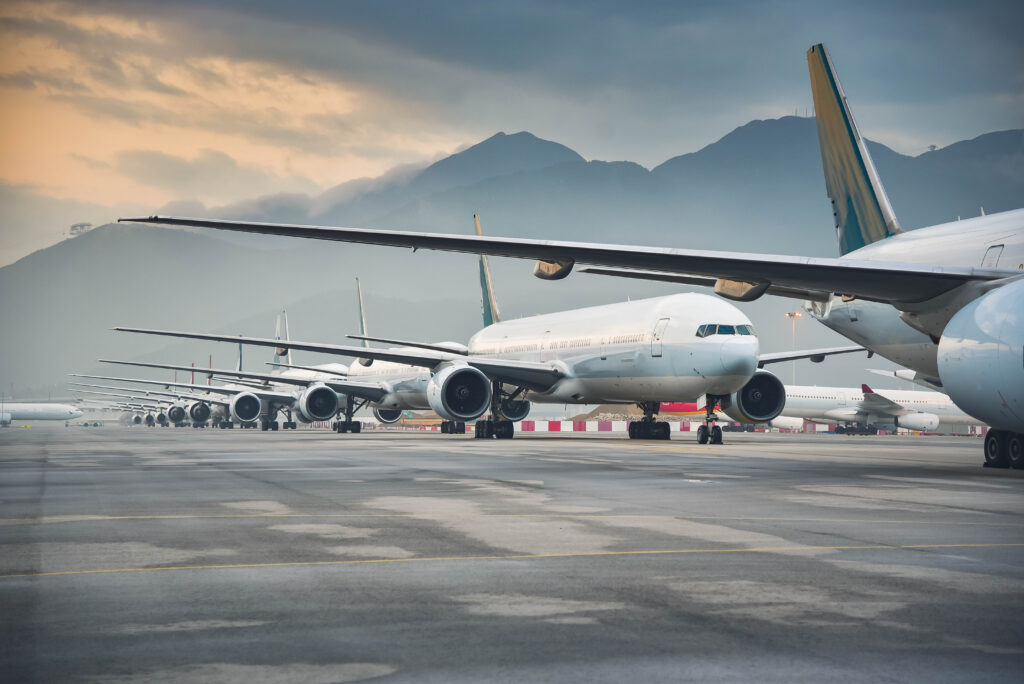
When the SealVac arrived, the facility’s engineering team placed it on a standard procedural hold; in commercial MRO, every tool used on aircraft requires a facility-authored operating procedure before deployment. The Fleet Manager and Tooling Engineer reviewed SST’s documentation, spent roughly an hour walking the maintenance crew through the technical details, then stepped away to draft the procedure. By the time they returned, the crew had defueled an entire wing.
The SealVac operates on negative pressure, forming sealed connections at each drain point and extracting residual fuel from baffles, low points, and tank contours that gravity cannot reach: center tank in roughly 45 minutes, one wing in an hour, full aircraft with dual hookup in 2 to 3 hours.
Key performance indicators highlighting project success:
SST’s SealVac is in active use across U.S. Air Force, U.S. Coast Guard, and commercial aviation MRO operations. If your facility is evaluating alternatives to gravity drain defueling, SST’s engineering team understands the requirements of commercial MRO.